

In the dynamic world of healthcare, hospitals face the constant challenge of managing a vast array of medical equipment efficiently. With the increasing complexity of hospital operations, the need for a robust Equipment Inventory Management System becomes evident. These systems not only aid in tracking and maintaining critical equipment but also significantly enhance overall hospital efficiency. In this article, we will explore how implementing such systems can streamline hospital operations, improve asset utilization, reduce costs, and ultimately enhance patient care.
Enhancing Hospital Operations through Effective Equipment Inventory Management
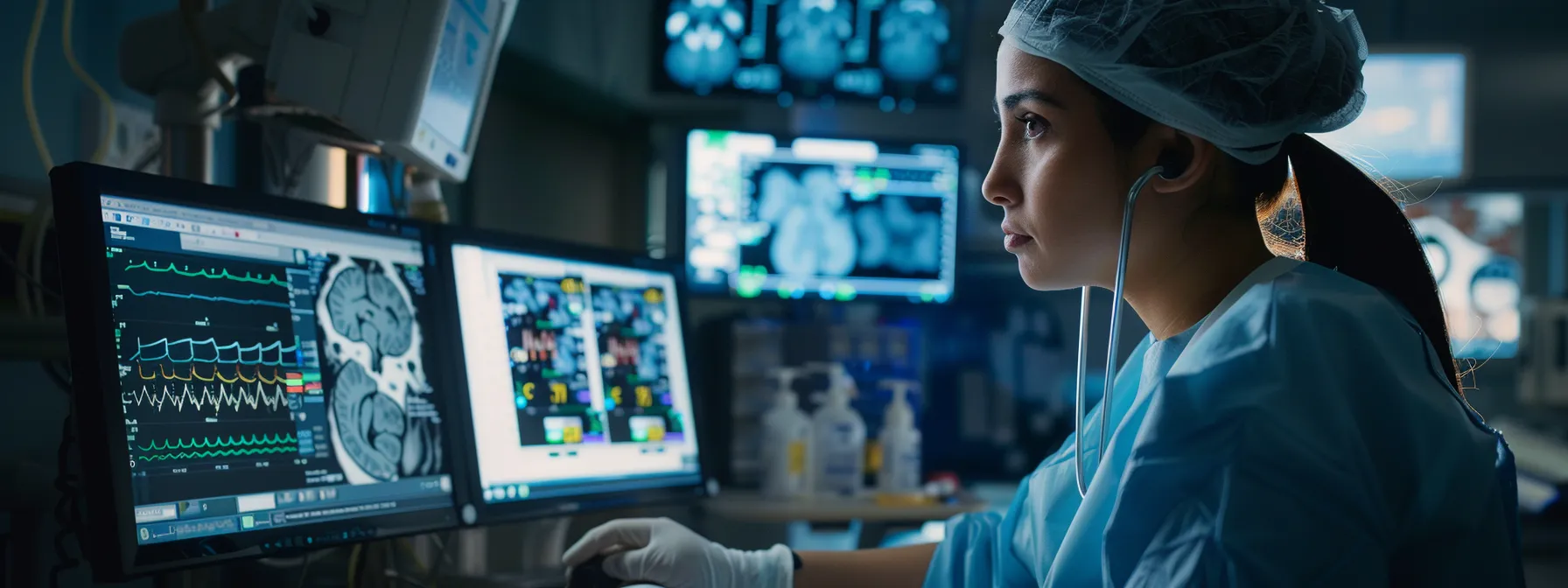
Hospitals operate under immense pressure to deliver high-quality care while maintaining operational efficiency. An effective Equipment Inventory Management System can be a game-changer for hospitals by providing real-time visibility into equipment availability and location. This system helps ensure that essential medical devices, such as those used in Diagnostic Imaging Protocols, are readily accessible when needed. By maintaining an accurate inventory, hospitals can optimize their resource allocation, minimizing downtime and ensuring seamless operations.
Moreover, these systems facilitate the integration with other hospital technologies, such as the Electronic Health Record (EHR) Interoperability. This integration allows for a more cohesive and comprehensive view of both patient data and equipment usage, further improving the quality of care provided. As a result, hospitals can better align their operations with patient needs, enhancing overall efficiency.
Streamlining Asset Tracking and Utilization in Healthcare Facilities
Effective asset tracking is crucial in healthcare settings where timely access to equipment can impact patient outcomes. An Equipment Inventory Management System streamlines asset tracking by employing technologies like RFID and barcode scanning to precisely monitor the location and usage of medical devices. This level of tracking is particularly beneficial for tools involved in the Care Coordination Model, where timely and coordinated access to equipment can significantly influence patient care strategies.
By ensuring that all equipment is accounted for and properly maintained, hospitals can maximize their asset utilization rates. This optimization helps prevent equipment shortages or overstocking, leading to increased operational efficiency. Additionally, accurate tracking can inform the Utilization Review Process, allowing hospitals to make informed decisions about equipment procurement and maintenance schedules.
Reducing Costs and Improving Patient Care with Inventory Systems
Implementing an Equipment Inventory Management System can lead to significant cost reductions for hospitals. By maintaining an up-to-date inventory, hospitals can avoid unnecessary equipment purchases and reduce the costs associated with equipment loss or theft. Furthermore, streamlined inventory management supports the efficient use of resources, aligning with Medical Necessity Criteria to eliminate waste and ensure that equipment is used effectively.
Cost savings achieved through inventory management systems can be redirected to improve patient care. Hospitals can invest more in advanced medical technologies and staff training, ultimately enhancing the patient experience. For example, the integration with a Telehealth Integration Platform can expand access to care and improve patient outcomes, demonstrating the broader impact of effective inventory management on healthcare quality.
Integrating Technology for Real-Time Equipment Management in Hospitals
The integration of advanced technology within an Equipment Inventory Management System enables hospitals to achieve real-time equipment management. This capability is critical for maintaining efficient hospital operations and ensuring that equipment is available at the point of care. By leveraging Health Information Exchange (HIE) networks, hospitals can share equipment data across departments, facilitating better coordination and reducing delays in patient services.
Furthermore, the integration of such systems with a Laboratory Information Management System (LIMS) ensures that laboratory equipment is efficiently tracked and utilized. This seamless integration supports Population Health Management efforts by providing accurate data on equipment usage patterns, enabling hospitals to deploy resources more effectively and improve patient outcomes.
Conclusion

Implementing an Equipment Inventory Management System is a strategic move for hospitals seeking to enhance operational efficiency and improve patient care. By streamlining asset tracking, reducing costs, and integrating with existing technologies, these systems provide a comprehensive solution for modern healthcare challenges. For hospitals aiming to stay ahead in a competitive environment, investing in inventory management is a step toward achieving excellence in patient care and operational performance.