

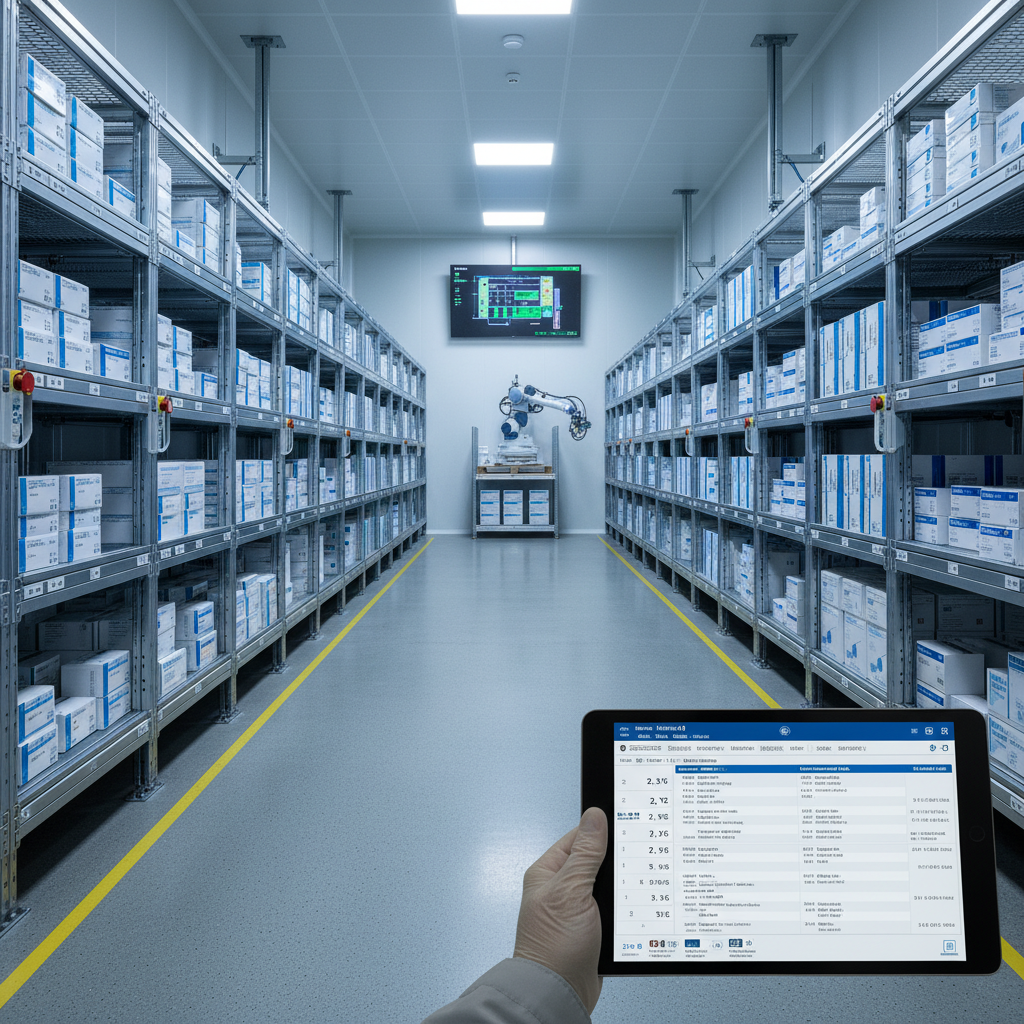
A vaccine that stays potent from factory to patient. A life-saving biologic that arrives at the hospital exactly as stable as the day it left the fill-finish line. Behind these quiet successes stands a piece of infrastructure most patients never think about: the pharmaceutical cold storage warehouse. Far from being just a large refrigerated room, it has become a high-tech control center where temperature, data and logistics meet to protect some of the most delicate products in healthcare.
Pharmaceutical companies invest heavily in research, clinical trials and manufacturing, yet a single break in the cold chain may erase that value in a matter of hours. Sensitive products such as mRNA vaccines, cell and gene therapies and complex biologics are extremely vulnerable to temperature excursions. That is why the design and operation of a pharmaceutical cold storage warehouse now rank among the most critical decisions in any modern drug supply strategy.
From static storage to dynamic nerve center
For decades, cold storage in pharma meant simple chilled rooms and freezers set to standard ranges like 2–8°C or –20°C. Today, this picture is almost unrecognizable. Warehouses must handle multiple temperature zones, from controlled ambient to deep-freeze and ultra-low temperatures, sometimes all within a single facility.
Instead of static shelving, automated storage and retrieval systems move pallets and totes with millimeter precision. Sensors track not only temperature but humidity, door openings, airflow patterns and even power quality. Real-time dashboards show operators exactly where each batch sits, how long it has been there and whether it has ever been exposed to risk. The warehouse has shifted from a passive storage space to a dynamic nerve center that supports global clinical trials and commercial launches.
This evolution is driven by the growing share of temperature-sensitive products in pharma pipelines. As biologics and advanced therapies dominate new approvals, the pressure on cold storage capacity, reliability and flexibility increases. Companies that once treated cold chain as a niche now face the reality that it touches most of their portfolio.
Temperature control: more than just a number on a display
Maintaining a setpoint is only the beginning. In a pharmaceutical cold storage warehouse, the difference between 2.0°C and 7.9°C matters as much as the difference between success and product loss. Regulators expect documented evidence that every vial stayed within its validated range for the entire storage period.
To achieve this, operators rely on layered control systems. Primary refrigeration units maintain the target temperature, while backup compressors and redundant cooling loops stand ready to take over if anything fails. Independent monitoring systems, often on separate power circuits, provide continuous verification and alarm management. Data loggers and calibrated probes are placed strategically to map hot and cold spots and to confirm that air circulation remains uniform even when the warehouse is fully loaded.
Validation and qualification form another pillar of trust. Before a warehouse goes live, it must undergo rigorous testing under worst-case conditions: empty, partially filled and fully stocked, with simulated power outages and door opening patterns. The result is a documented temperature map and a clear understanding of how the facility behaves in real operation. This becomes the baseline for ongoing monitoring and periodic requalification.
Digital traceability and regulatory pressure
In an era of global recalls and stringent audits, data integrity inside the cold warehouse is as important as physical temperature control. Every pallet, carton and vial must be traceable. Modern facilities integrate warehouse management systems with serialization platforms and enterprise resource planning tools, creating a continuous digital thread from production line to loading dock.
Barcodes and RFID tags identify each unit, while scanners and automated conveyors record every movement. If a temperature excursion occurs in a specific zone, operators can instantly isolate the affected batches, assess risk based on exposure time and documented stability data, and decide whether to quarantine or release. This level of granularity not only protects patients but also limits financial loss by avoiding unnecessary destruction of unaffected stock.
Regulatory expectations reinforce this digital rigor. Good Distribution Practice guidelines demand documented procedures, training records, deviation handling and change control. Inspectors no longer accept vague explanations; they expect time-stamped logs, alarm histories and clear evidence that corrective actions are both swift and effective. The warehouse has become a showcase of compliance culture.
Sustainability and energy efficiency in the cold chain
Cold storage is energy-intensive by nature. Compressors, condensers and insulation work around the clock, often in large buildings with significant heat ingress from outside. As pharmaceutical companies set ambitious sustainability targets, the cold warehouse comes under scrutiny for its carbon footprint.
Newer facilities address this challenge through a mix of technology and design. High-performance insulation, airlocks and rapid-roll doors reduce temperature fluctuations when goods move in and out. Variable-speed drives adjust compressor output to match real-time load, avoiding the waste of constant full-power operation. Heat recovery systems capture waste heat from refrigeration units and use it to warm offices or other parts of the site.
Some operators explore natural refrigerants with lower global warming potential, replacing older synthetic gases. Others combine rooftop solar panels with smart energy management to shift peak loads and stabilize operating costs. These measures do not only appeal to sustainability reports; they also lower long-term operating expenses and reduce risk from volatile energy prices.
People, processes and the human factor
Despite the advanced technology, a pharmaceutical cold storage warehouse still depends on people. Trained staff must understand not only how to operate systems but also why each step matters. A misplaced pallet, a door left open or a delayed response to an alarm may undo years of careful planning.
Robust standard operating procedures, regular training and realistic drills help build a culture where temperature control becomes second nature. Cross-functional collaboration between quality, logistics, engineering and IT ensures that changes in one area do not introduce hidden risks elsewhere. When a new product with ultra-low temperature requirements arrives, the team must coordinate adjustments to capacity, monitoring, packaging and transport in a seamless way.
Looking ahead: cold storage as strategic advantage
As pipelines tilt further toward biologics and personalized therapies, cold storage will shape competitive advantage. Companies that treat the warehouse as a strategic asset, rather than a back-end necessity, position themselves to support faster launches, more complex distribution models and tighter regulatory expectations.
The future pharmaceutical cold storage warehouse will likely feature even greater automation, predictive maintenance based on sensor data and AI-driven demand forecasting that aligns inventory levels with clinical and market needs. Yet the core mission will remain unchanged: protect product integrity so that every dose delivered to a patient is as safe and effective as intended.
In that sense, the cold warehouse is more than a building full of freezers. It is a quiet guardian of trust between patients, healthcare professionals and the science that created the medicine in the first place.